
How Tsunamis Form
A tsunami is almost always born from a sudden, massive displacement of a huge volume of water. The most common trigger for this is a large underwater earthquake, especially one that happens on a tectonic plate boundary. When one plate suddenly lurches and slips past another, it can violently push the seabed up or down. That initial, sudden push from the seafloor acts like a giant paddle, displacing the entire column of water above it. This jolt of energy then transforms into a series of long, powerful waves that radiate outwards. While earthquakes are the most frequent cause, a tsunami can also be triggered by a volcanic eruption, a submarine landslide, or even a large meteorite impact.
The Journey of a Tsunami
In the deep ocean, a tsunami is practically invisible. The waves are incredibly long, sometimes hundreds of miles from one crest to the next, but their height is very small—often just a few feet. Sailors on a ship in the middle of the ocean might not even notice a tsunami passing beneath them. But what’s truly astonishing is their speed. These waves can travel as fast as a jet airplane, often over 500 miles per hour, crossing entire oceans in a matter of hours. This is why a single earthquake in one part of the world can create a tsunami that devastates coastlines thousands of miles away.
The Warning Signs of an Approaching Wave
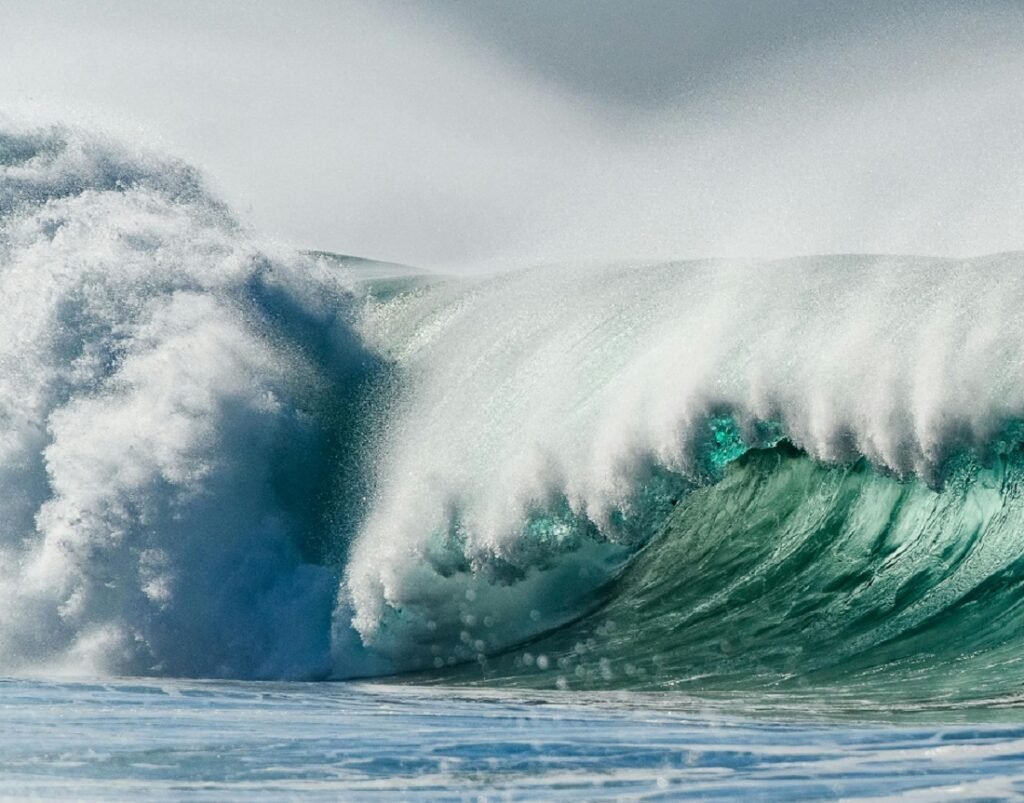
The real danger begins as the tsunami approaches land. The ocean floor becomes shallower, and the wave begins to interact with the seabed. This process is called “shoaling.” As the wave’s energy is compressed into less and less water, its speed drops dramatically, but its height grows exponentially. What was once a gentle, unnoticeable swell in the deep water can become a towering wall of water—sometimes tens of feet high, or even more. One of the most chilling and critical signs of an approaching tsunami is a sudden, dramatic drop in sea level. The ocean will pull back from the shore, exposing vast stretches of the seabed that are normally underwater. While this might seem like an interesting sight, it is a desperate warning from nature itself. This retreat is the trough of the incoming wave, and it means the massive crest of the tsunami is just minutes away.
The Impact on Land and Coastal Communities
When the tsunami finally hits the coast, the impact is catastrophic. Buildings are torn apart, trees are uprooted, and anything in the water’s path is swept away with immense force. The power of the rushing water is almost unimaginable. The destruction doesn’t stop with the first wave, either. A tsunami is a series of waves, and later waves can be even larger and more powerful than the first. The danger can last for hours as one surge after another crashes ashore. The aftermath of a tsunami is a heartbreaking scene of widespread devastation. Coastal communities are left in ruins, and the landscape is fundamentally changed.
Staying Safe: Tsunami Preparedness
The loss of life can be immense, and the recovery process is long and difficult. The event serves as a powerful reminder of the raw, unpredictable power of our planet. Understanding how a tsunami works, recognizing the warning signs, and knowing what to do are all critical for people living in coastal areas, as it can be the difference between life and death. If you live in a coastal area, know your local evacuation routes and have a plan to get to high ground quickly. Pay attention to official warnings, but also be aware that the natural warning signs—like the sudden retreat of the ocean—might be your first and only alert. Being prepared for such a powerful and sudden natural disaster is the best defense against its overwhelming force.